Photo: Shiv's fotografia / Wikimedia Commons (CC BY-SA 4.0)
📋 In This Article
Type 2 diabetes and pre-diabetes are reaching epidemic proportions in India — projected to affect 134 million Indians by 2045. Ayurveda has long categorised diabetes (madhumeha) as a lifestyle disorder requiring both dietary and herbal intervention. Several Ayurvedic herbs have now accumulated strong clinical evidence for blood sugar management.
Gurmar — The Sugar Destroyer
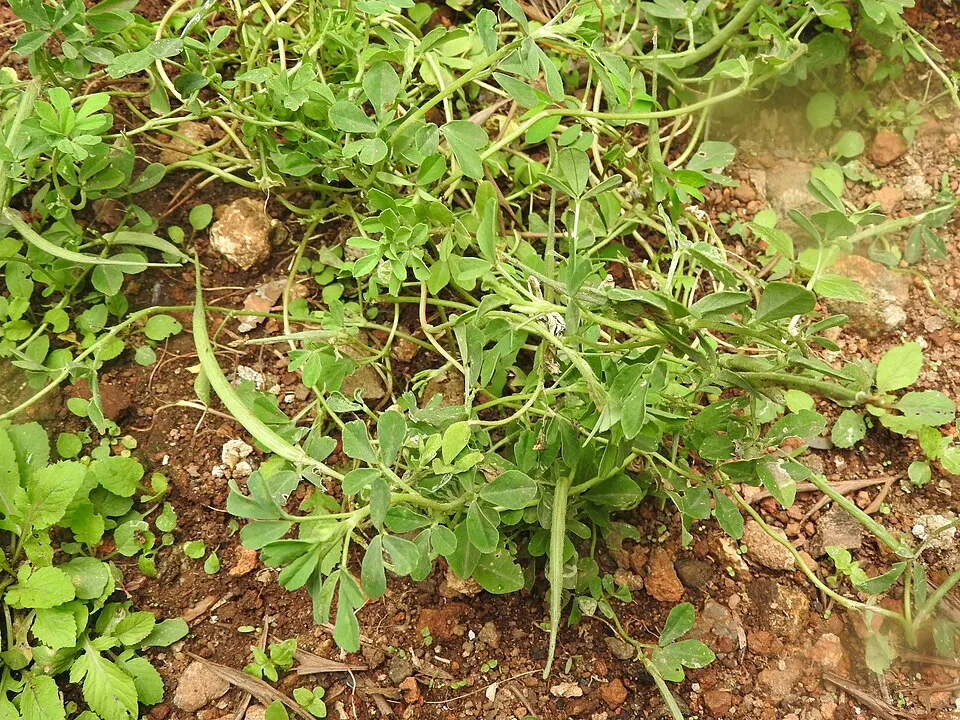
Gurmar (Gymnema sylvestre) — literally "destroyer of sugar" in Hindi — is the most studied Ayurvedic anti-diabetic herb. Its gymnemic acids suppress sweet taste perception (the molecules physically block sweet receptors on the tongue for 30-60 minutes), reduce glucose absorption in the intestine, stimulate insulin secretion from pancreatic beta cells, and may promote beta cell regeneration. Clinical trials show 18-24 months of gurmar use significantly reduces fasting blood glucose and HbA1c in Type 2 diabetics. Dose: 400mg standardised extract, twice daily before meals.
- Reduces intestinal glucose absorption
- Stimulates insulin secretion
- Suppresses sugar cravings (blocks sweet taste for 45-60 min)
- Potential beta cell regeneration
Bitter Melon (Karela)
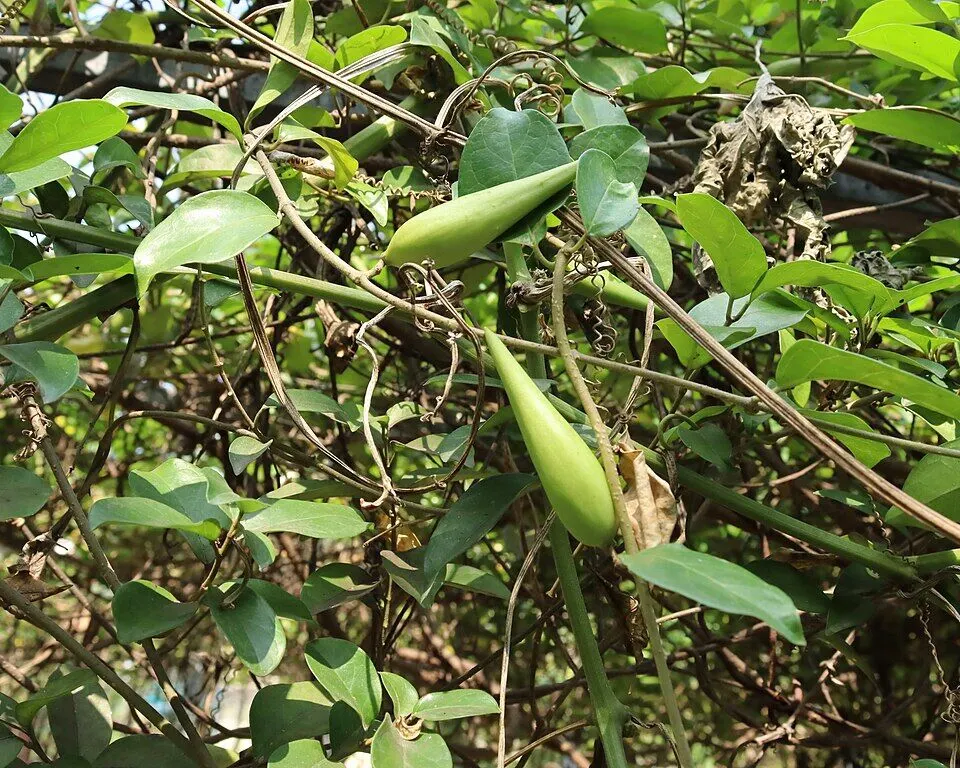
Bitter melon (Momordica charantia) contains at least three active anti-diabetic compounds: polypeptide-p (a plant insulin), charantin (lowers blood glucose by increasing glucose uptake), and vicine. A systematic review of 4 randomised trials found bitter melon significantly reduced fasting blood glucose compared to placebo. Use: 50-100ml fresh karela juice daily on an empty stomach, or bitter melon capsules (500mg, twice daily). The bitter taste itself — a tikta quality in Ayurveda — is considered therapeutic for blood sugar regulation.
Fenugreek (Methi)
Fenugreek seeds contain 4-hydroxyisoleucine — an amino acid that directly stimulates insulin secretion proportional to blood glucose level. They also contain soluble fibre (galactomannan) that slows glucose absorption. Multiple Indian clinical trials confirm fenugreek significantly reduces fasting blood glucose, postprandial glucose, and triglycerides in Type 2 diabetics. Simple use: soak 1 tbsp fenugreek seeds overnight in water, eat the soaked seeds on an empty stomach, and drink the water. Daily use for 3+ months shows measurable benefit.
Cinnamon and Turmeric
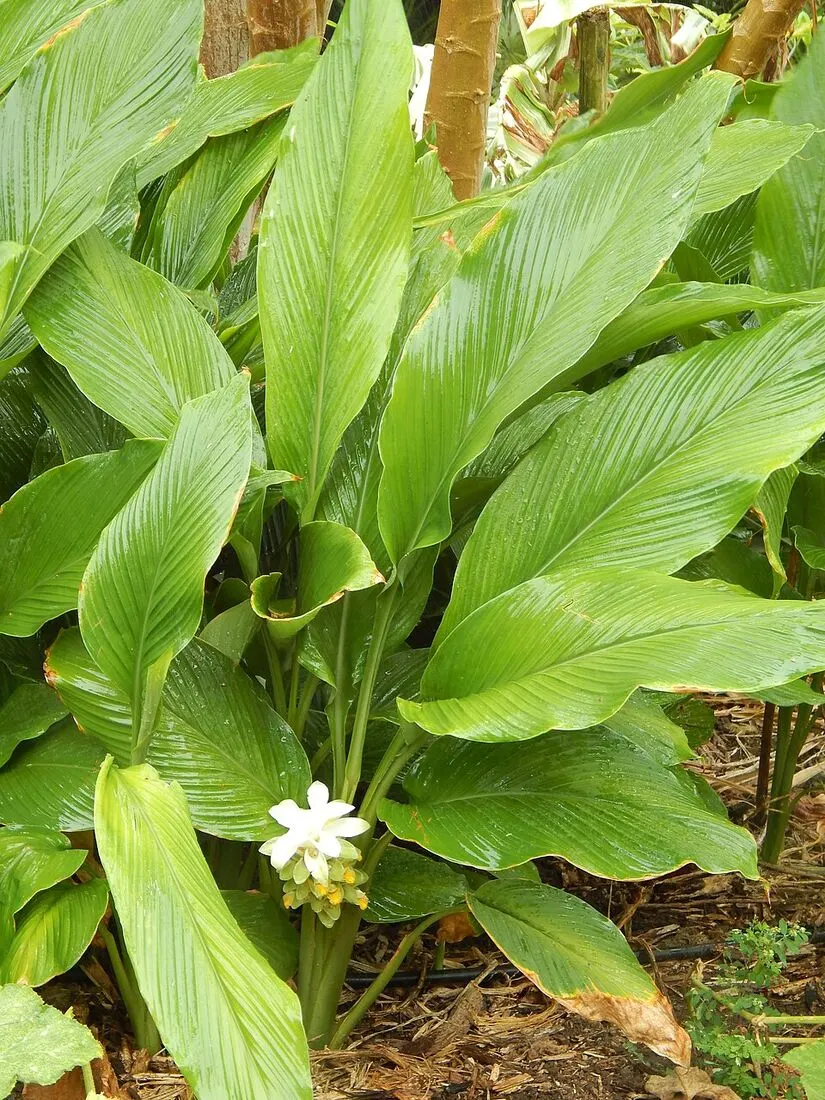
Cinnamon (Cinnamomum verum or cassia) contains hydroxychalcone compounds that activate insulin signalling pathways, effectively increasing insulin sensitivity. A meta-analysis of 10 randomised trials confirms significant reductions in fasting blood glucose with 1-6g daily cinnamon supplementation. Curcumin in turmeric is emerging as a powerful antidiabetic compound — it reduces insulin resistance, protects pancreatic beta cells from oxidative damage, and reduces inflammatory markers (CRP, IL-6) that drive Type 2 diabetes progression.
Conclusion
Herbs for blood sugar management work best alongside dietary modification (reducing refined carbohydrates, increasing fibre), exercise (which independently improves insulin sensitivity), and weight management. They should be considered complementary to, not replacements for, conventional medical care — especially in insulin-dependent diabetes.