Photo: Shiv's fotografia / Wikimedia Commons (CC BY-SA 4.0)
📋 In This Article
Respiratory conditions — asthma, bronchitis, chronic cough — are classified as pranavaha srotas disorders in Ayurveda (disorders of the channel carrying prana/breath). Treatment uses herbs that reduce Kapha (excess mucus) and Vata (bronchospasm), support bronchial smooth muscle relaxation, and strengthen respiratory epithelium.
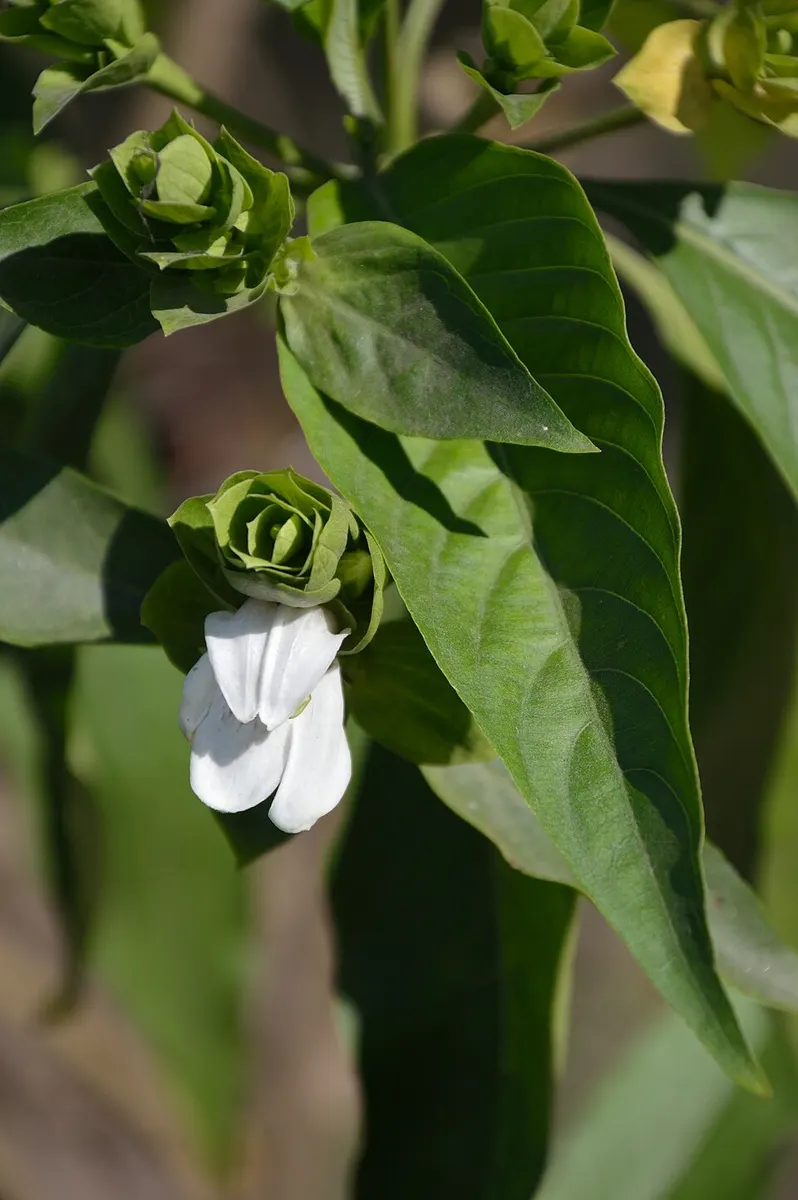
Vasaka (Malabar Nut) — The Bronchodilator
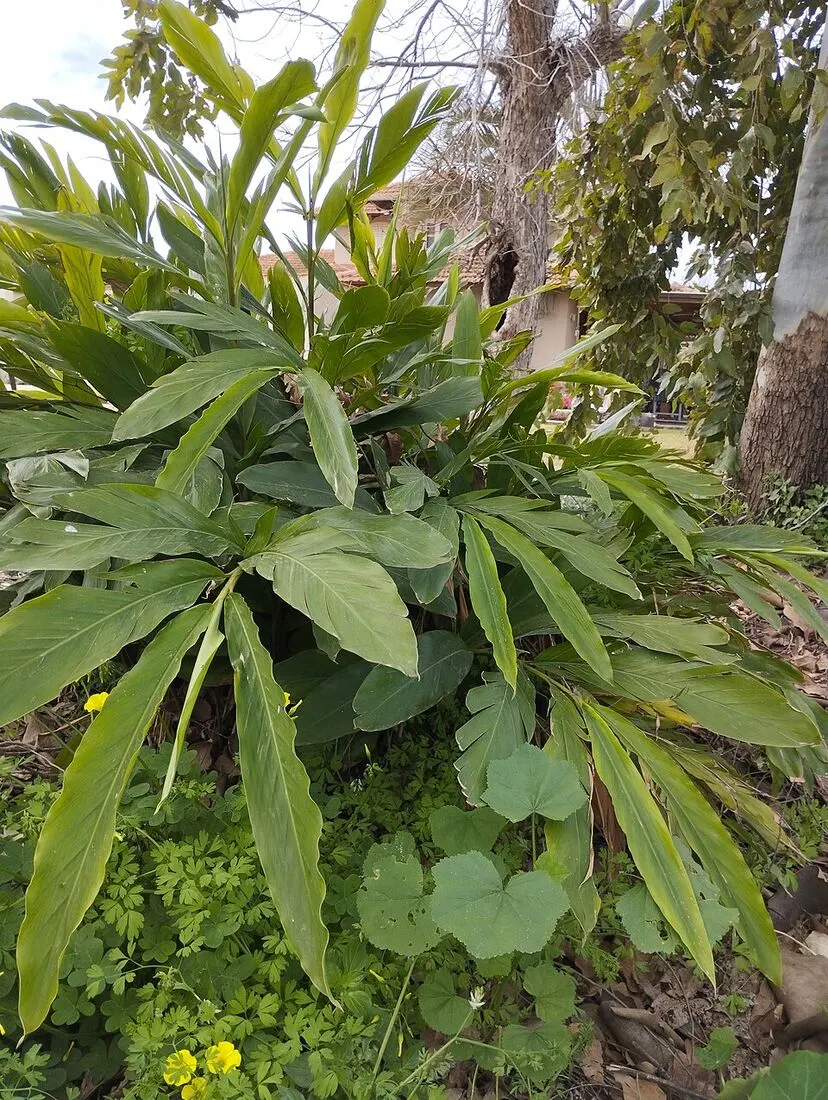
Vasaka (Justicia adhatoda, also called Adhatoda vasica) is Ayurveda's primary bronchial herb. Its alkaloid vasicine and its oxidation product vasicinone are beta-2 agonists — bronchodilators that open constricted airways. Vasicine also has expectorant activity, stimulating bronchial secretions to become less viscous. Multiple clinical trials confirm vasaka decoction reduces frequency and severity of asthma attacks, and reduces cough in acute bronchitis. Standard use: 5-10ml vasaka leaf juice twice daily or as directed by an Ayurvedic physician.
- Vasicine — bronchodilator (beta-2 agonist activity)
- Vasicinone — bronchial secretion stimulant
- Antispasmodic — reduces bronchospasm
- Antifungal — reduces respiratory Candida overgrowth
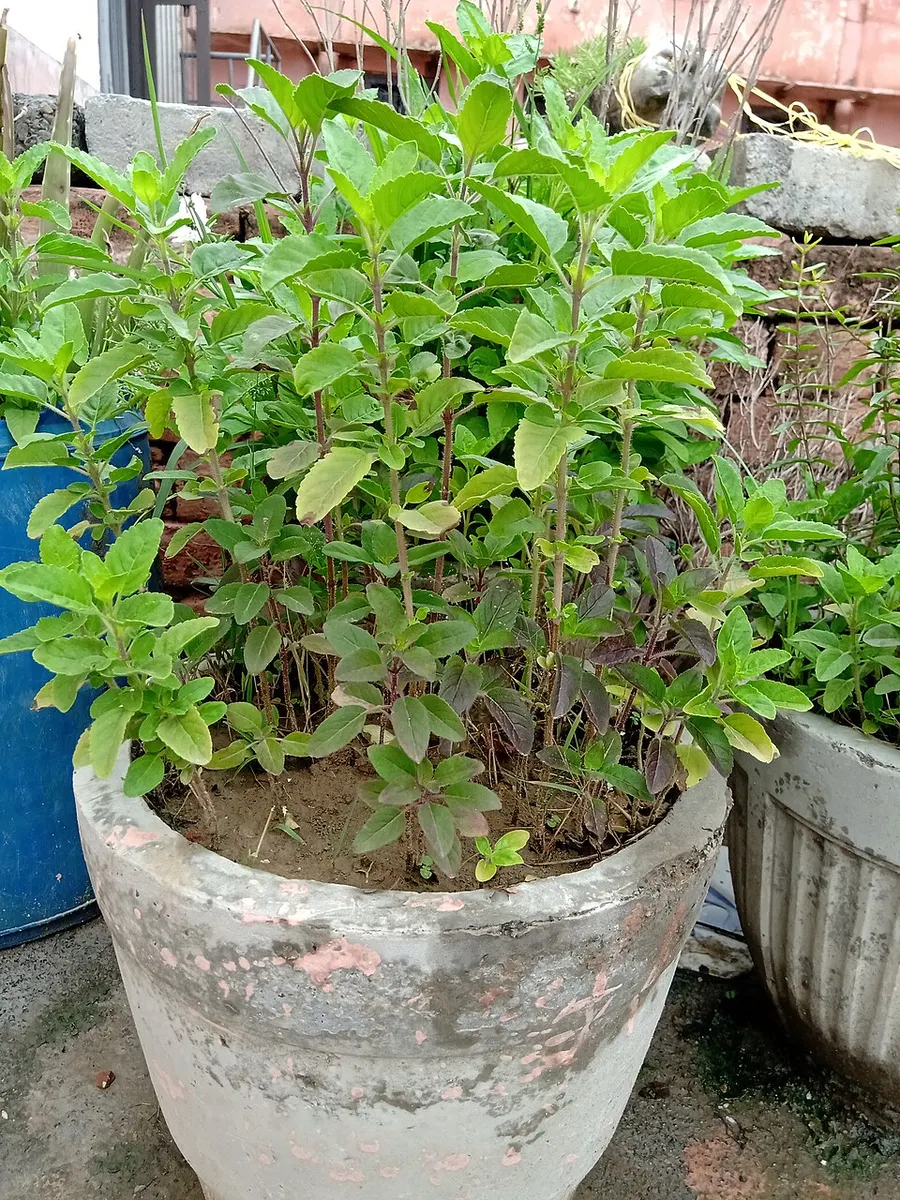
Tulsi — Antiviral and Bronchial Anti-inflammatory
Tulsi (Ocimum sanctum) is essential in virtually all Ayurvedic respiratory formulas. Its eugenol reduces bronchial inflammation; its camphene and cineole are expectorants; its ursolic acid has demonstrated antiviral activity against influenza and respiratory syncytial virus (RSV). Regular tulsi tea consumption significantly reduces frequency of respiratory tract infections in epidemiological studies from India. For acute bronchitis: boil 15 fresh tulsi leaves, 1 inch ginger, and 3-4 cloves in 2 cups water for 10 minutes and drink as a steam-inhaled decoction.
Licorice (Yashtimadhu) — The Soother and Expectorant
Licorice root (Glycyrrhiza glabra) has a 3,000-year documented history of use for respiratory conditions in both Ayurveda and Traditional Chinese Medicine. Its glycyrrhizin has cortisol-like anti-inflammatory action (without the side effects of corticosteroids at normal doses); its saponins stimulate bronchial secretions to become thinner and easier to expectorate; its GlycoArray reduces viral load in HSV, HIV, and Respiratory Syncytial Virus. Use: 1/2 tsp licorice root powder in honey as a spoonful, or in hot water as tea. Do not use long-term (>6 weeks) without medical supervision due to mineralocorticoid effects that can raise blood pressure.
Combination Formulas
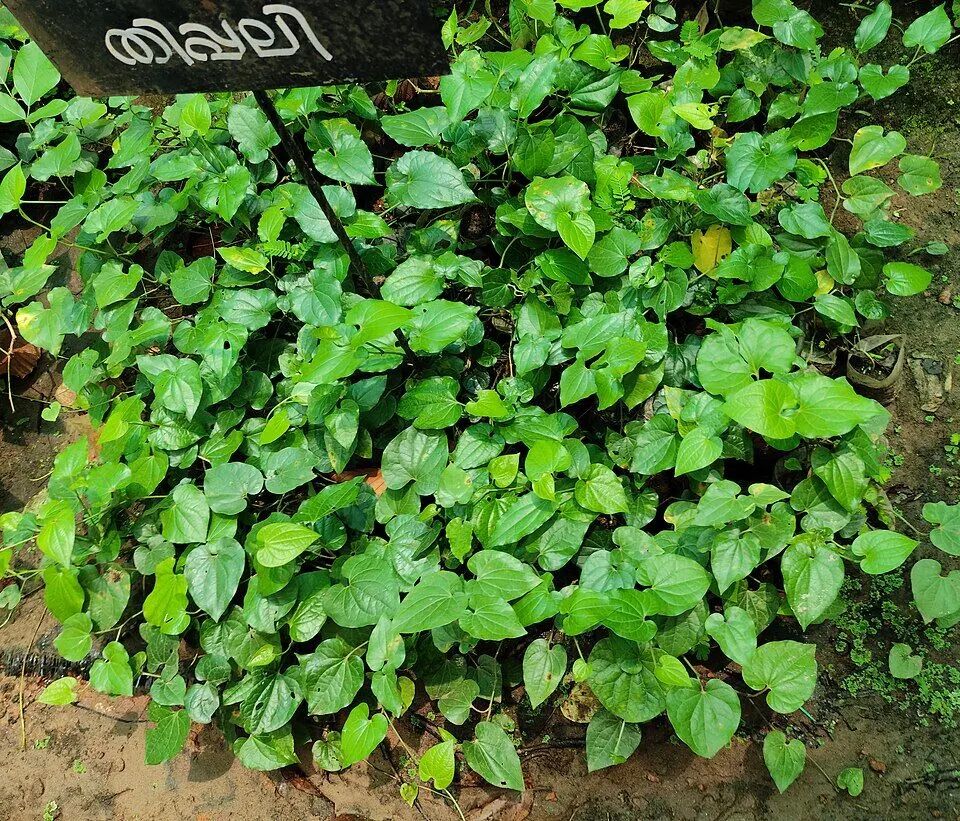
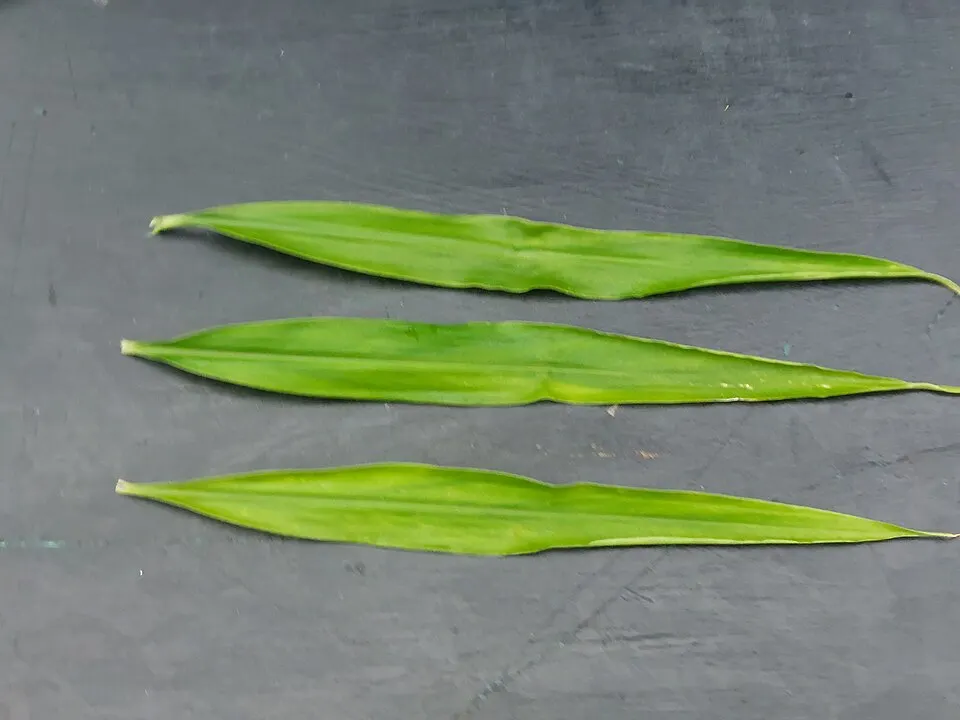
Classical Ayurvedic respiratory formulas combine multiple herbs synergistically. Sitopaladi churna (bamboo silica, sugar candy, pippali, cardamom, cinnamon) is the classical remedy for chronic cough and congestion. Talisadi churna is specific for Kapha-type asthma with heavy mucus. Kantakari (Solanum xanthocarpum) decoction is used for acute bronchospasm. These classical formulas are available at Ayurvedic pharmacies and have undergone clinical evaluation demonstrating efficacy for chronic respiratory conditions.
Conclusion
Ayurvedic respiratory herbs work best as part of a comprehensive approach: steam inhalation, nasal rinse with saline, pranayama (especially alternate nostril breathing and Bhramari), dietary modifications (reducing cold, dairy, and heavy foods), and avoiding known allergens. For asthma, do not reduce prescribed bronchodilators without medical supervision — Ayurvedic herbs should complement, not replace, emergency asthma medication.