Photo: Shiv's fotografia / Wikimedia Commons (CC BY-SA 4.0)
📋 In This Article
Joint pain and arthritis (sandhivata in Ayurveda) affect over 180 million Indians. Ayurveda understands arthritis as a condition of aggravated Vata — the dosha governing movement — combined with accumulation of ama (toxic metabolic waste) in the joints. Treatment focuses on reducing ama, pacifying Vata, and rebuilding joint tissue.
Shallaki — The Boswellia Evidence
Shallaki (Boswellia serrata) has perhaps the strongest clinical evidence of any Ayurvedic herb for joint conditions. Its boswellic acids (particularly AKBA — 3-O-acetyl-11-keto-β-boswellic acid) are potent 5-lipoxygenase inhibitors — blocking the inflammatory cascade that destroys cartilage. Multiple double-blind trials confirm Boswellia extract significantly reduces knee pain, swelling, and stiffness in osteoarthritis, with one trial showing equivalence to the NSAID valdecoxib. Dose: 200-400mg standardised extract (minimum 30% AKBA), twice daily with food. Takes 6-8 weeks for full benefit.
- Reduces inflammatory enzyme 5-LOX
- Inhibits cartilage degradation
- Reduces synovial inflammation
- Well-tolerated compared to NSAIDs
Guggul — The Resin Rasayana
Guggul (Commiphora mukul) is a resin from the mukul myrrh tree classified as a scraping, penetrating herb in Ayurveda — ideal for ama-related conditions. Its guggulsterones modulate thyroid function (relevant for inflammatory arthritis), reduce inflammatory markers (CRP, IL-6), and have demonstrated anti-arthritic activity in animal studies. Yogaraj Guggul — a classical compound formula combining guggul with 28 other herbs — is the traditional prescription for Vata joint disorders. Available at Ayurvedic pharmacies; take as directed on the packet or by an Ayurvedic physician.
Turmeric and Ginger Together
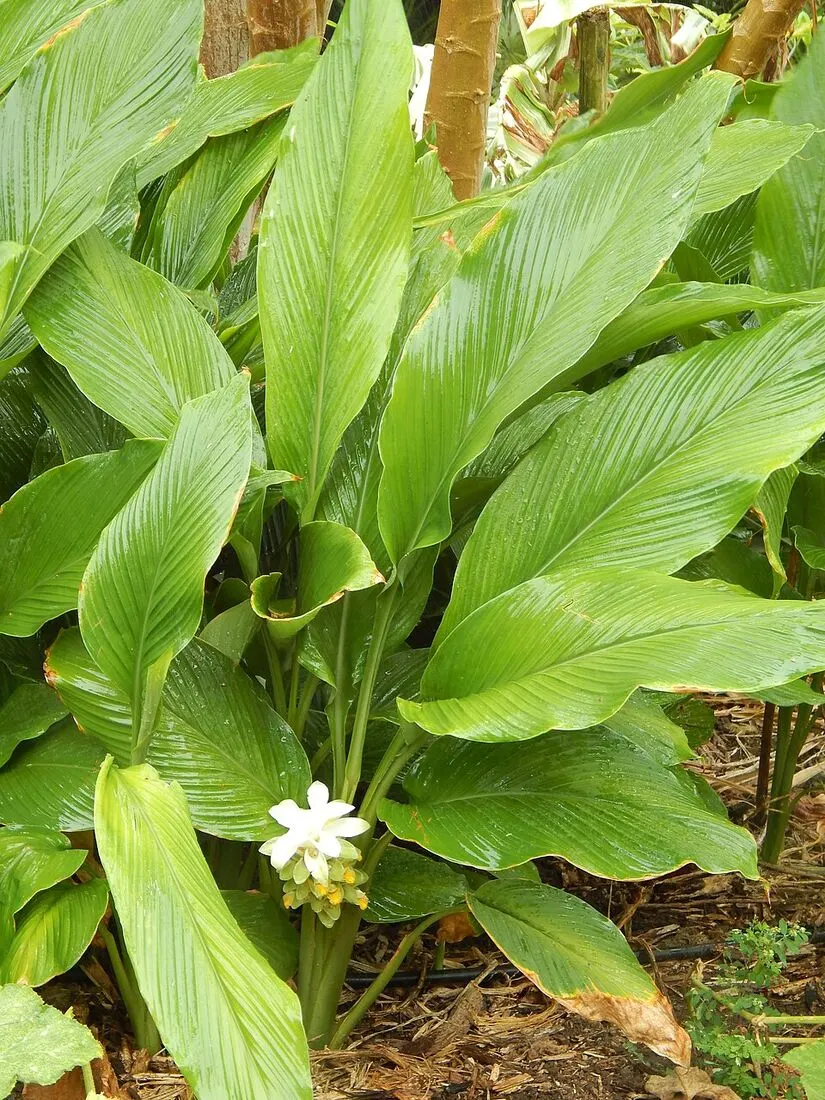
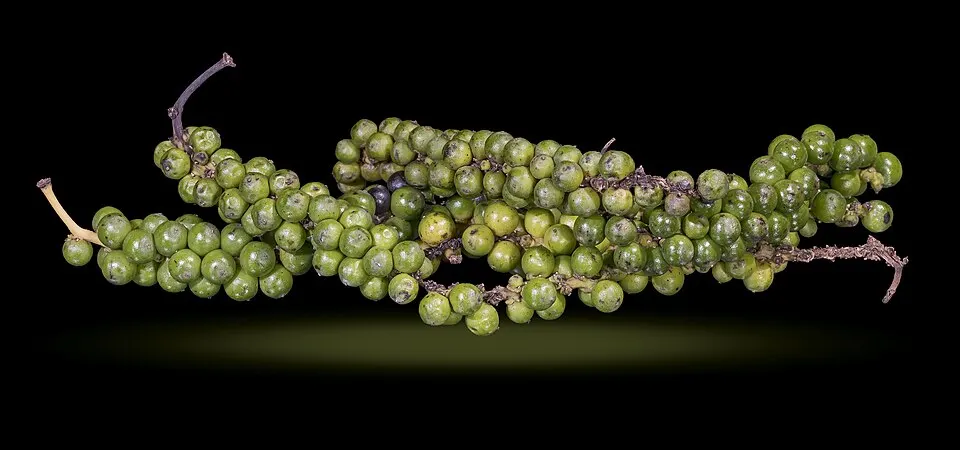
Curcumin (turmeric) and gingerols (ginger) both inhibit prostaglandin synthesis — the same mechanism as NSAIDs but without gastric side effects. A randomised trial comparing curcumin to ibuprofen in knee osteoarthritis found equivalent pain relief at 3 months. Combining both in a daily supplement (or as a daily golden milk with ginger) provides additive anti-inflammatory effects. Use with black pepper (piperine increases curcumin absorption 2000%) and fat (curcumin is fat-soluble).
Castor Oil and External Therapies
Castor oil (Eranda taila) is Ayurveda's primary remedy for Vata-type joint pain — taken internally (1 tsp in warm milk at bedtime) it reduces joint stiffness and acts as a gentle laxative that reduces ama. Applied externally as a warm compress on painful joints, its ricinoleic acid reduces prostaglandin secretion locally. Panchakarma therapies like Janu Basti (warm oil pooled over the knee joint) and Potali massage with medicated herbal boluses are classical Ayurvedic interventions for severe arthritis — seek a qualified Ayurvedic physician for these.
Conclusion
Ayurvedic treatment of arthritis combines herbs (shallaki, guggul, turmeric), dietary modifications (avoiding Vata-aggravating foods like beans, raw vegetables, and cold foods), external therapies (warm oil massage with sesame oil), and yoga (gentle, warming practices). The approach is slower than NSAIDs but addresses the underlying joint degradation rather than just masking pain.