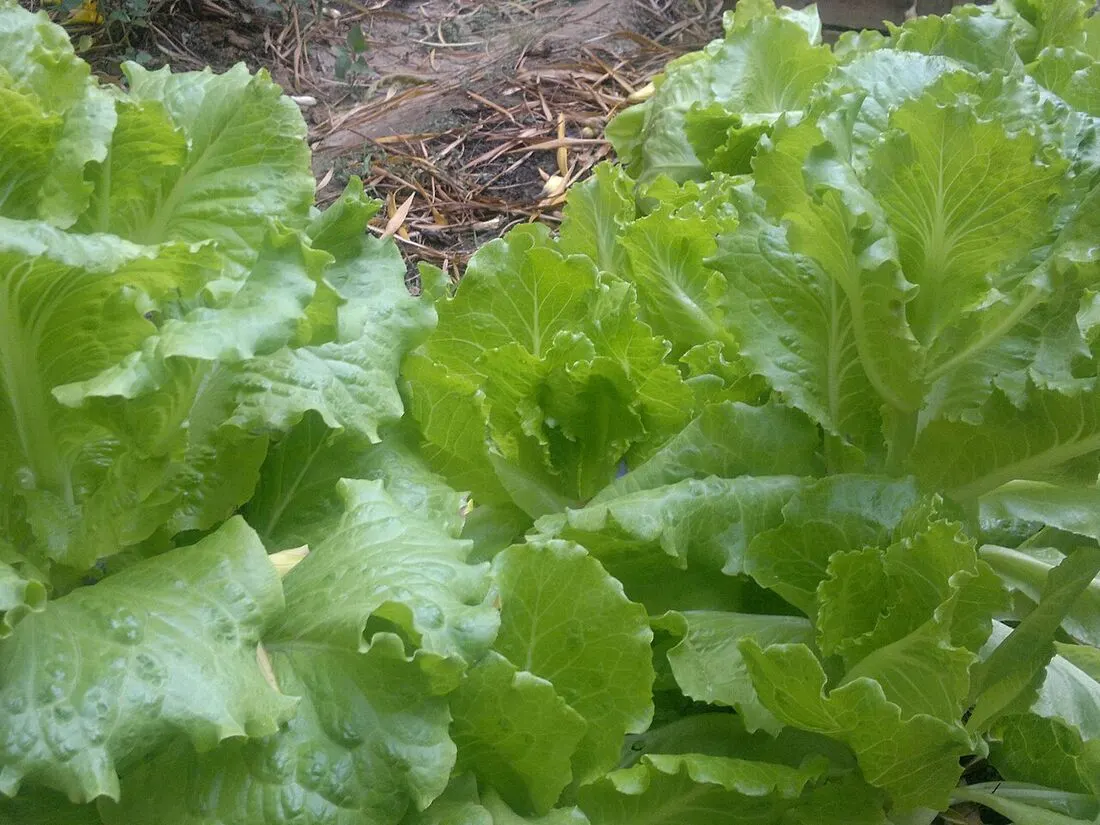
Photo: Tarunpant / Wikimedia Commons (CC BY-SA 3.0)
📋 In This Article
Composting converts kitchen and garden waste into black gold — a nutrient-rich soil amendment that costs nothing and dramatically improves any garden. With the right method, you can make compost in a small apartment kitchen with zero smell.
What Goes Into a Compost Bin
Balance is the key: aim for roughly equal parts "greens" (nitrogen-rich) and "browns" (carbon-rich) by weight.
- Greens: vegetable peels, fruit scraps, coffee grounds, tea leaves, fresh grass clippings
- Browns: dry leaves, torn cardboard, newspaper, coconut coir, dry straw
- Avoid: cooked food, meat, dairy, oily scraps, diseased plant material
The 3-Bin Composting Method
Bin 1 receives fresh waste. When full, transfer to Bin 2 for active decomposition. When Bin 2 is ready, transfer to Bin 3 for maturation. This rotating system provides continuous finished compost. Smaller households can manage with just 2 bins.
Kitchen Composting Without a Garden
Bokashi composting uses bran inoculated with beneficial microbes to ferment all kitchen waste including cooked food in a sealed bucket. The fermented output is buried in soil or diluted with water for use as fertiliser. Ideal for apartments with no garden space.
Using Finished Compost
Compost is ready when it's dark brown, crumbly, and smells earthy (not rotten). Mix 30% compost into potting mixes, apply as 2-inch mulch layer around plants, or dissolve 1 cup of compost in 5 litres of water for a free liquid fertiliser.
Conclusion
A simple compost bin turns your daily kitchen waste into the most effective soil amendment available — and keeps hundreds of kilos of organic material out of landfills annually. Start today with just a bucket and a lid.
