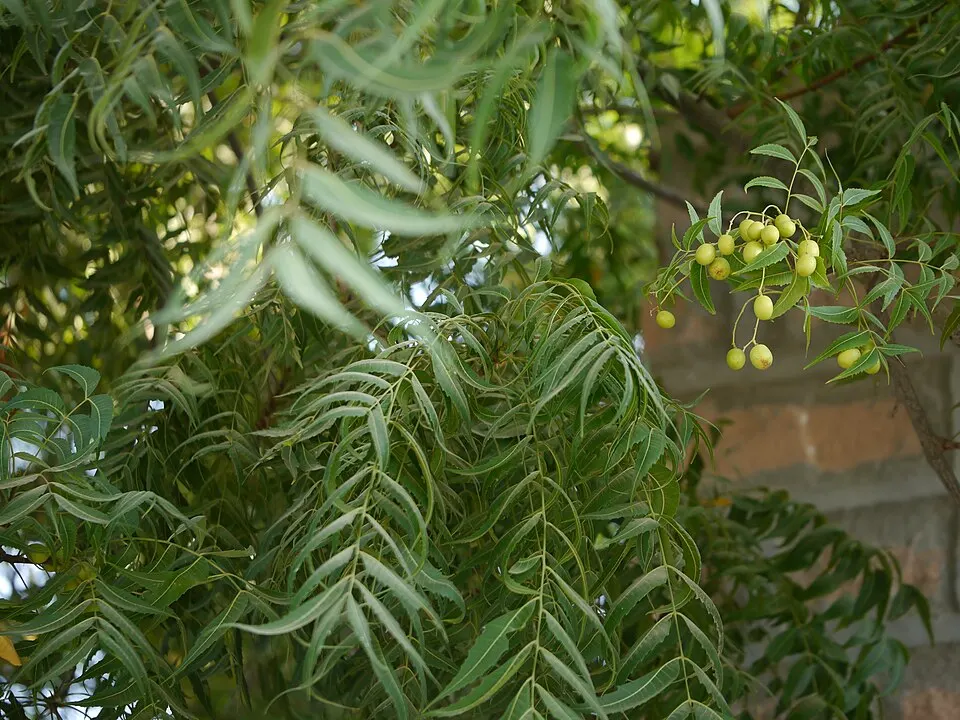
Photo: Tarunpant / Wikimedia Commons (CC BY-SA 3.0)
📋 In This Article
Chemical pesticides kill pests but also destroy beneficial insects, contaminate soil, and leave residues on food. Plant-based pest control methods — led by neem — are effective, safe, and sustainable alternatives.
Neem Oil: The Organic Gardener's Best Friend
Cold-pressed neem oil contains azadirachtin, a powerful insect growth disruptor that prevents larvae from maturing and adult insects from reproducing. It's effective against over 200 insect species and degrades naturally within days, leaving no residue.
10 Natural Pest Control Solutions
These plant-based remedies target specific pests effectively.
- Neem oil spray — broad-spectrum insecticide and fungicide
- Garlic spray — repels aphids, whitefly, spider mites
- Chilli-soap spray — contact insecticide for soft-bodied insects
- Tobacco water — effective against sucking insects (do not use near family)
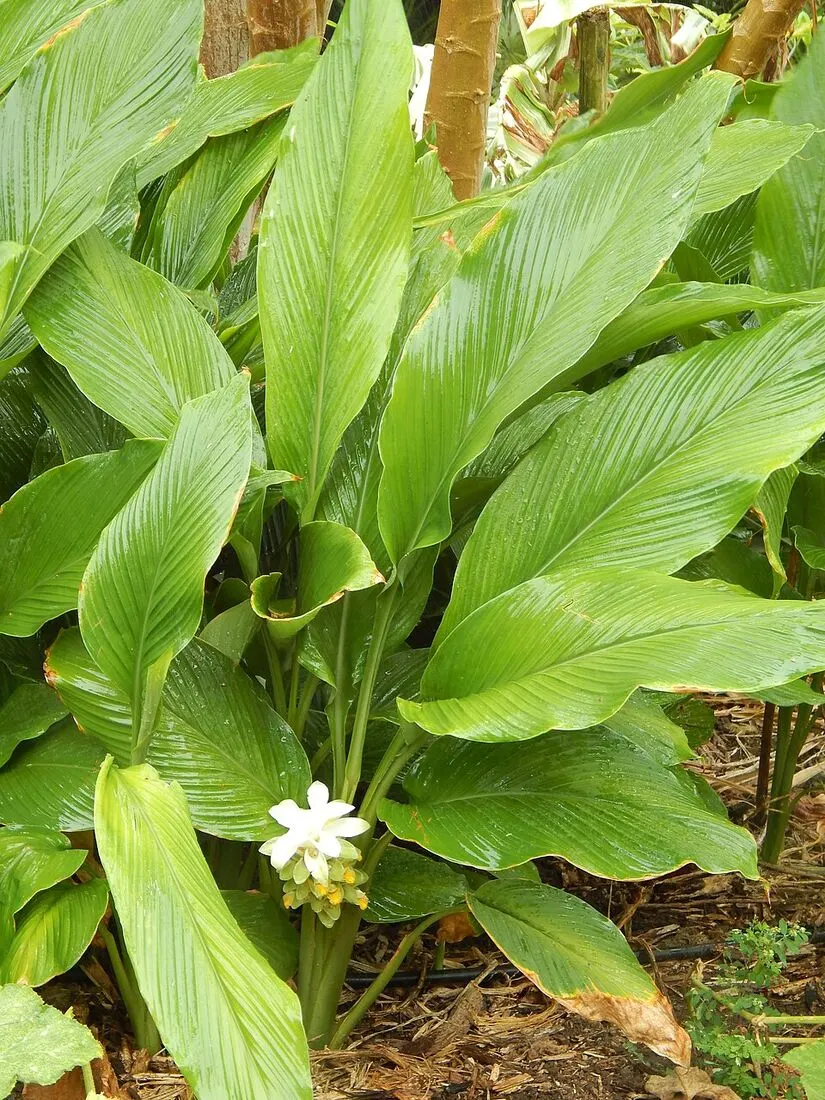
- Turmeric powder — apply at soil level for fungus gnats
- Marigolds planted in beds — repels nematodes and beetles
- Basil — repels whitefly and aphids when intercropped
- Diatomaceous earth — sprinkled around base, kills crawling insects
- Copper tape — slug and snail barrier
- Yellow sticky traps — catches flying pests without chemicals
How to Make Garlic Spray
Blend 10 garlic cloves with 500ml water, strain, and dilute to 2 litres. Add a few drops of dish soap as an emulsifier and spray on affected plants. Garlic's sulphur compounds repel aphids, spider mites, and many beetles on contact.
Integrated Pest Management
The most effective approach combines multiple methods: companion planting to deter pests naturally, physical barriers (mesh, nets) for key crops, neem spray at the first sign of infestation, and biological controls (encouraging ladybirds, lacewings, and parasitic wasps) for long-term balance.
Conclusion
Natural pest control requires more vigilance than chemical sprays but creates a healthier, more resilient garden over time. Start with neem oil spray and marigold companion planting — these two alone reduce pest pressure by 60–70% in most gardens.