Photo: Tarunpant / Wikimedia Commons (CC BY-SA 3.0)
📋 In This Article
The most sustainable garden is one that produces no waste — where every scrap becomes compost, every broken pot becomes drainage material, and every pruned cutting becomes a new plant.
Regrow from Kitchen Scraps
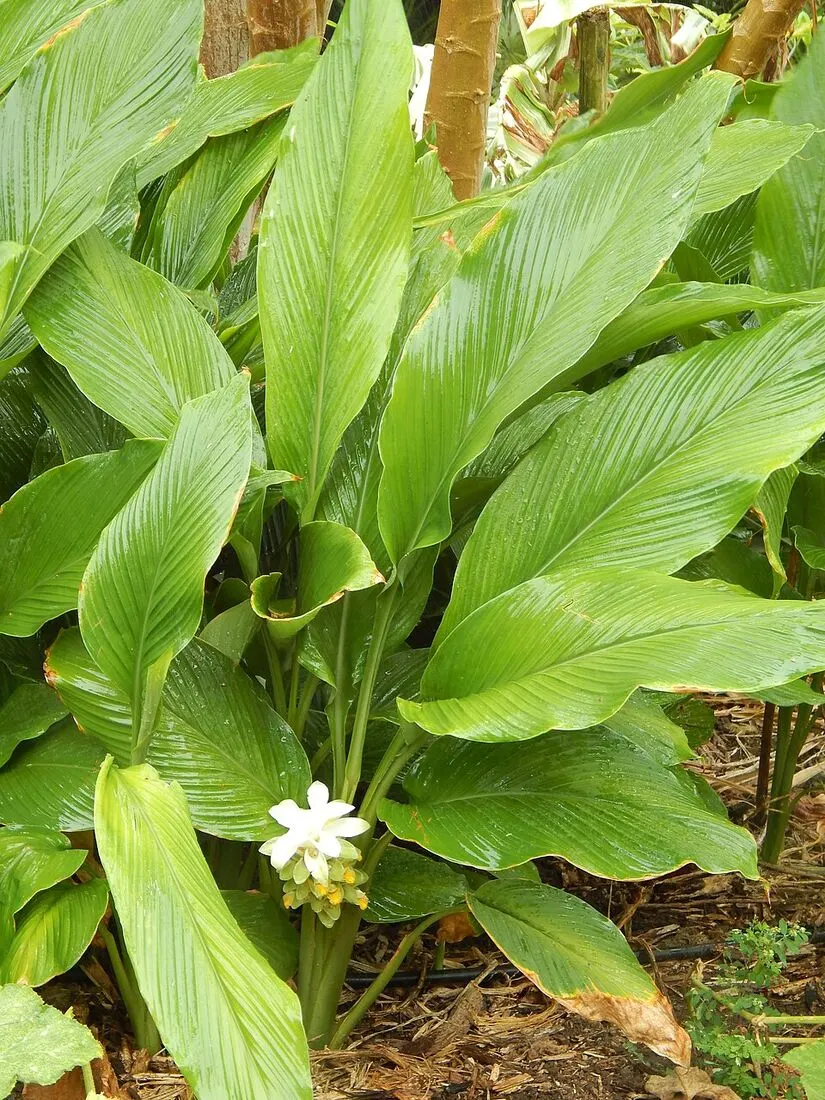
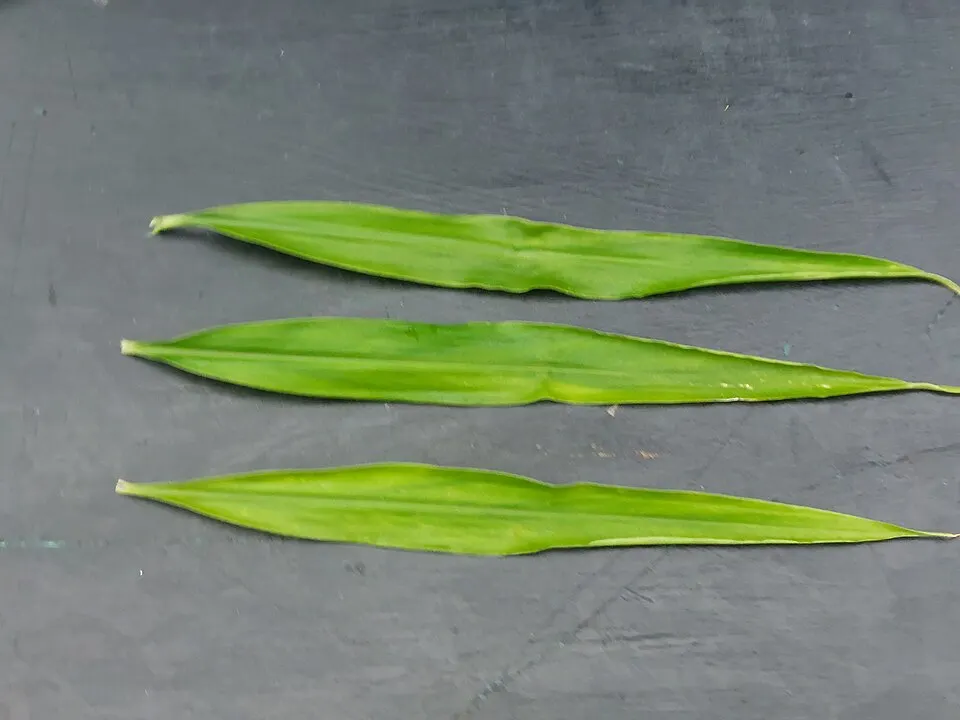
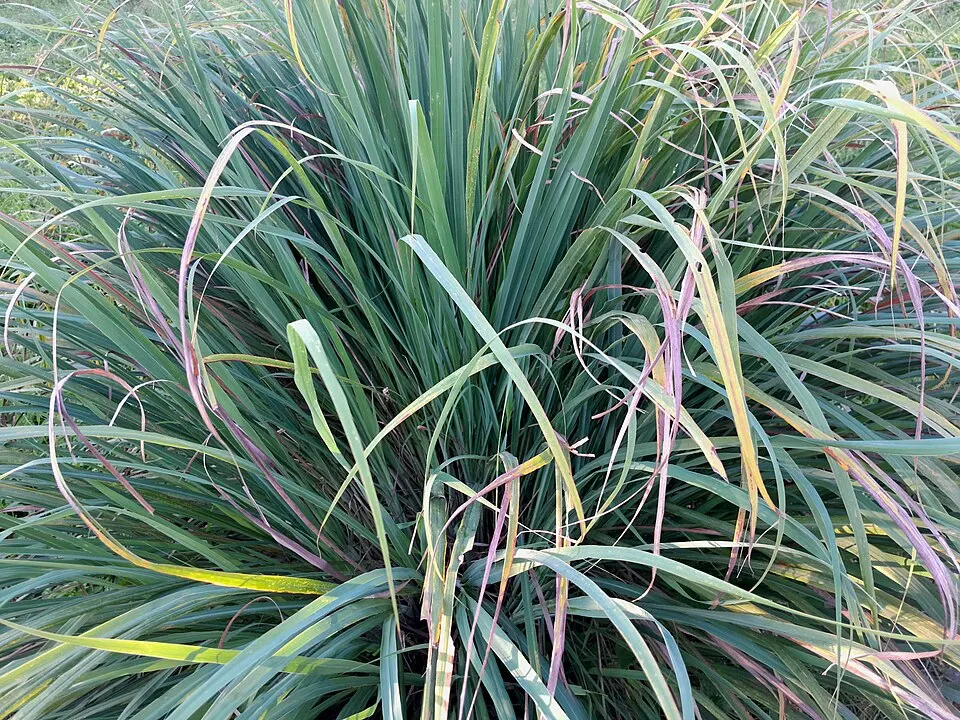
Many vegetables regrow from the parts we normally discard: spring onion bases, celery bottoms, and lemongrass stalks all regrow in a glass of water. Ginger, turmeric, and potato eyes can be planted directly into soil to produce a fresh crop. This zero-cost propagation method is surprisingly productive.
- Spring onion — place base in water, regrows in 5 days
- Celery — rooting base in water for 1 week before planting
- Ginger/turmeric — plant the rhizome directly in soil
- Garlic cloves — plant individually, harvest a full bulb
Reusing & Upcycling in the Garden
Old yoghurt cups become seedling propagation pots. Broken terracotta pot shards become drainage layers. Tin cans make excellent herb containers with a few drainage holes drilled in the base. Newspaper rolled into tubes makes 100% biodegradable seedling pots that transplant directly into soil.
Making Liquid Fertiliser from Waste
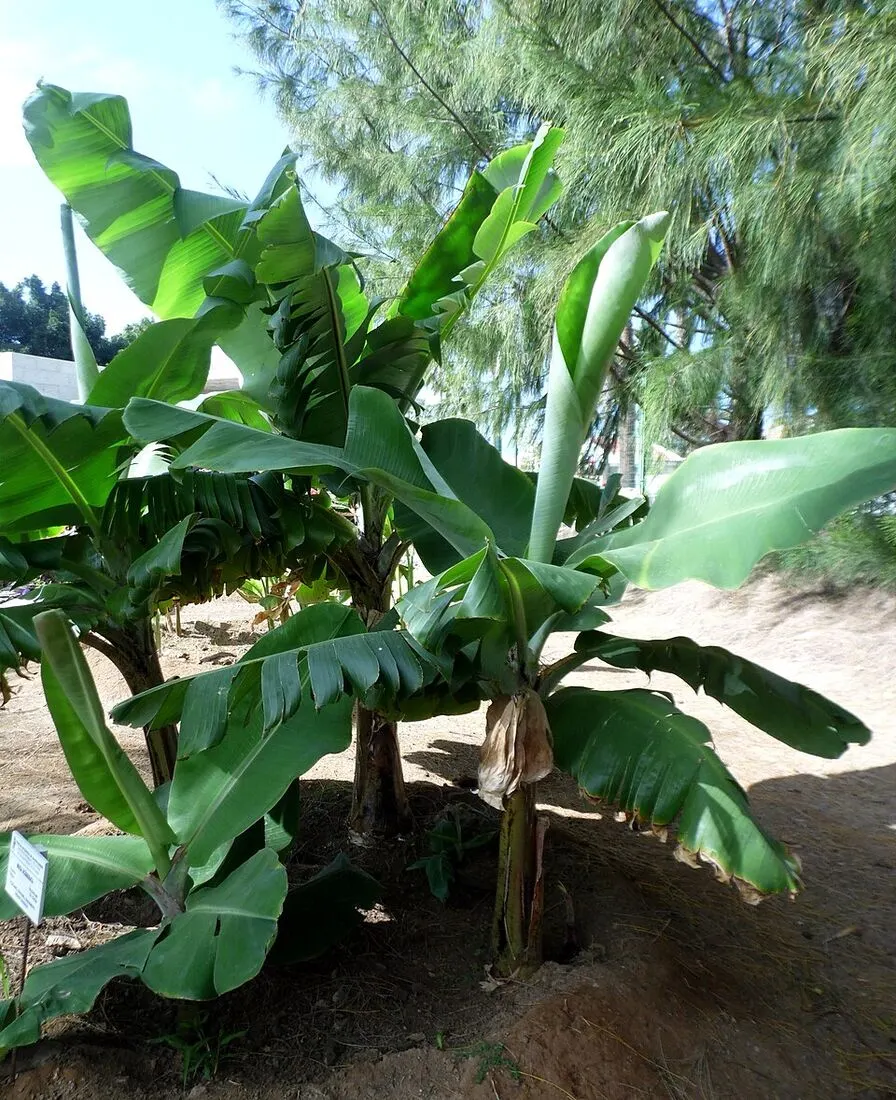
Banana peels soaked in water for 3–4 days produce a potassium-rich liquid fertiliser for flowering plants. Nettle tea, rice water, and diluted wood ash solution are all free, effective fertilisers made from materials that would otherwise be discarded.
Saving Seeds
Harvest and dry seeds from your best-performing plants each season. Store in labelled paper envelopes in a cool, dry place. In one growing season, you can collect enough seeds for next year from tomatoes, chillies, beans, and flowers — completely ending your seed-buying expenditure.
Conclusion
Zero-waste gardening is not an extreme philosophy — it's common sense applied with creativity. Most "waste" in a garden is actually a resource waiting to be redirected.