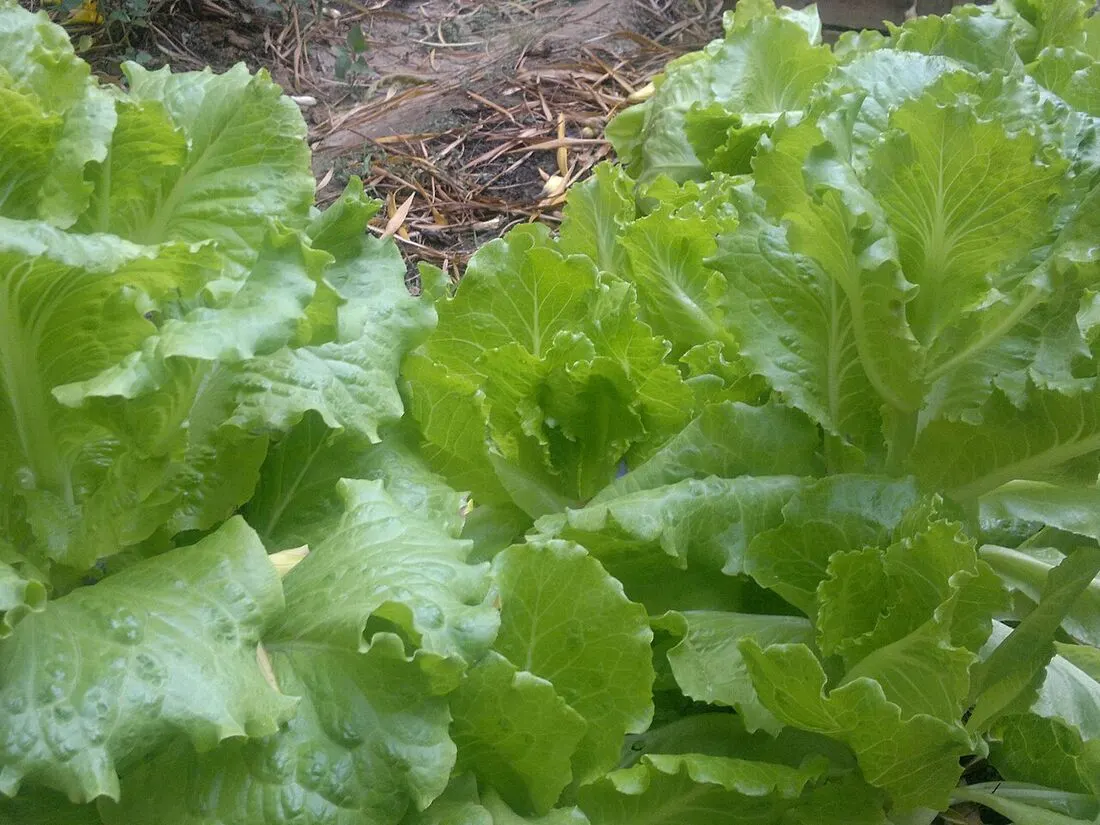
Photo: Tarunpant / Wikimedia Commons (CC BY-SA 3.0)
📋 In This Article
Vermicompost — castings produced by red wiggler worms — is arguably the most powerful soil amendment available. It contains 7× more nitrogen, 11× more phosphorus, and 5× more potassium than standard compost, plus beneficial microbes and plant hormones.
Setting Up Your Vermicompost Bin
Use a dark plastic tub (40–60 litres) with drainage holes drilled at the base and air holes on the sides. Fill halfway with moist bedding (torn newspaper strips + cocopeat). Add 200–500g of red wiggler worms (Eisenia fetida) — available from garden centres or online at ₹200–500.
Feeding Your Worms
Worms eat fruit and vegetable peels, coffee grounds, tea bags, crushed eggshells, and small amounts of torn cardboard. Feed every 2–3 days, burying food under the bedding to avoid fruit flies. Avoid citrus, onion, garlic, spicy food, cooked food, meat, and dairy.
Harvesting Vermicompost
After 2–3 months, push all material to one side and add fresh bedding and food to the other side. Worms migrate to the food side over 1–2 weeks. Harvest the worm-free side, which should be dark, earthy-smelling finished vermicompost. Repeat every 2–3 months.
Using Vermicompost in Your Garden
Mix 10–20% vermicompost into potting soil for container plants. Apply a 1-inch top dressing around established plants monthly. Dilute 1 cup of vermicompost in 5 litres of water, let sit overnight, then use as liquid fertiliser. A thriving bin processes 100–200g of kitchen waste per day.
Conclusion
A vermicompost bin is a living, producing asset that turns daily kitchen scraps into the most effective plant food available. One bin feeds a 10–15 pot balcony garden indefinitely.