Photo: Tarunpant / Wikimedia Commons (CC BY-SA 3.0)
📋 In This Article
Saving seeds is one of the oldest agricultural practices and one of the most empowering skills a gardener can learn. It's free, ensures genetic continuity of your best plants, and preserves biodiversity.
Which Plants Produce Saveable Seeds
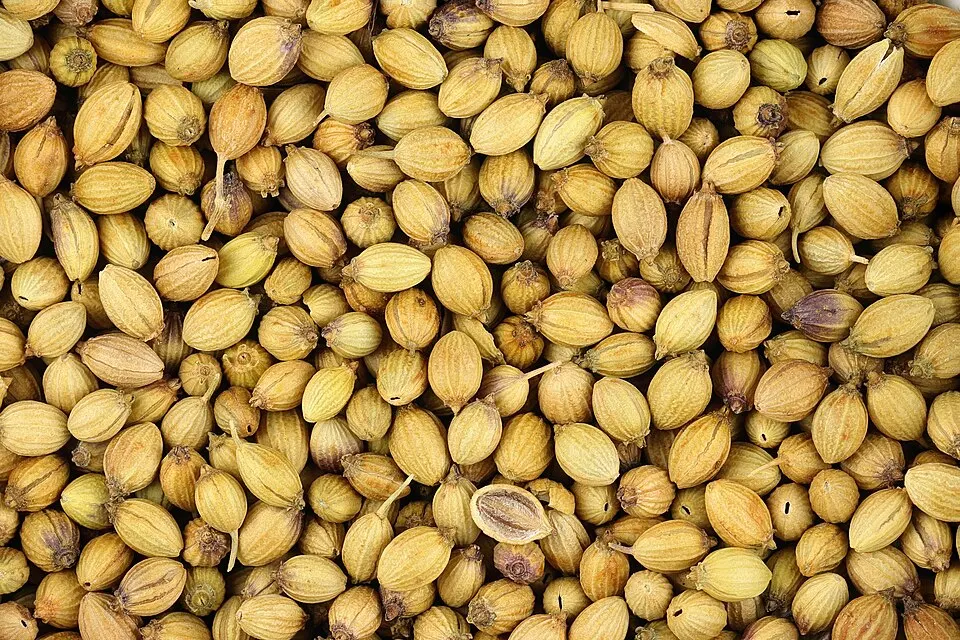
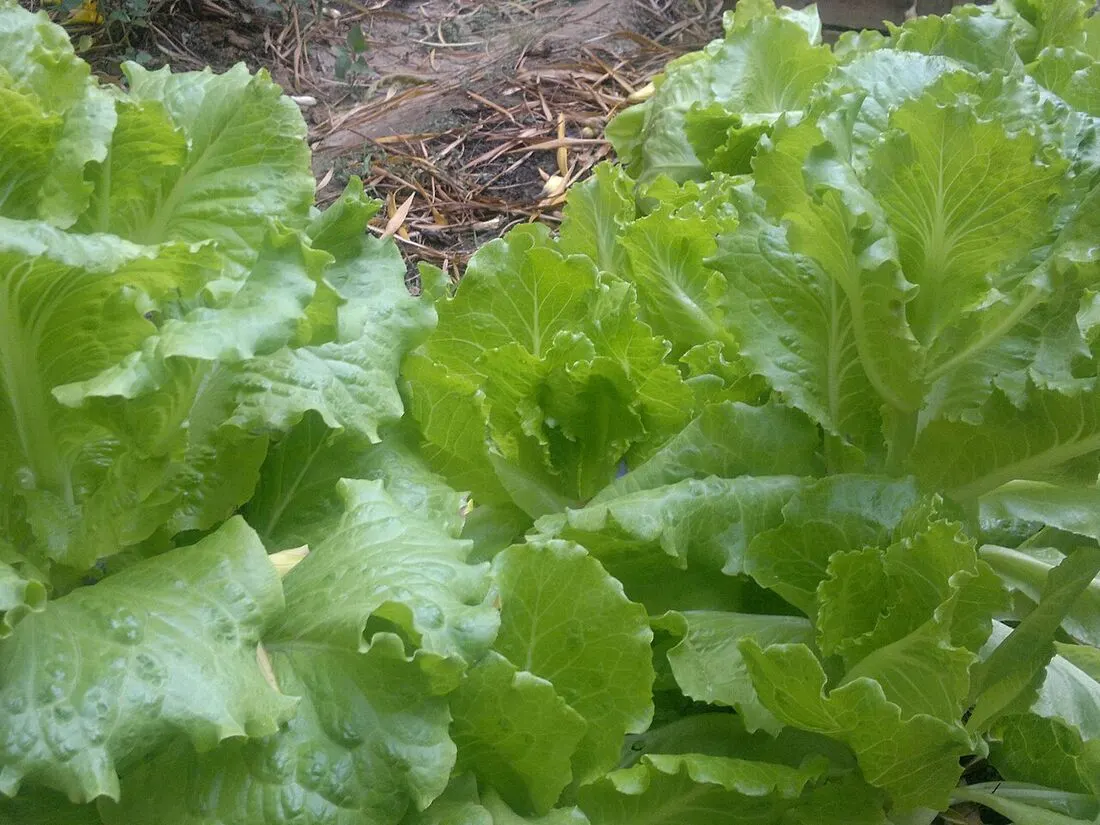
Open-pollinated and heirloom varieties produce seeds that grow true — identical to the parent plant. Hybrid (F1) seeds don't come true and shouldn't be saved. Best plants for seed saving: tomatoes, chillies, beans, peas, coriander, marigold, sunflower, and most leafy greens.
Harvesting Seeds Correctly
Seeds must be fully mature before harvest. For dry seeds (beans, coriander, sunflower): let them dry on the plant and collect when pods turn brown and rattle. For wet seeds (tomatoes, chillies): harvest from the ripest fruits, scoop out seeds, and clean off the pulp.
Drying and Storing Seeds
Spread seeds on a dry newspaper or paper plate in a well-ventilated spot out of direct sun for 1–2 weeks until fully dry. Any residual moisture causes mould in storage. Store in labelled paper envelopes (not plastic — they trap moisture) inside a sealed glass jar with a silica gel packet. Keep in a cool, dark place.
Seed Viability and Testing
Most vegetable seeds remain viable for 2–4 years if stored correctly. Test old seeds before planting: place 10 seeds on a damp paper towel, fold, and keep warm for 7 days. Count how many germinate — 70%+ germination rate means the batch is still good.
Conclusion
Seed saving creates a garden that becomes progressively more adapted to your specific conditions over years. Save seeds from your top performers and you'll have better plants every season.