Photo: YogaTTC75 / Wikimedia Commons (CC BY-SA 4.0)
📋 In This Article
Ritucharya — the Ayurvedic science of seasonal living — prescribes specific diet, lifestyle, and herbal adjustments for each season. The premise is that our bodies evolved in rhythm with the seasons, and ignoring these rhythms disrupts dosha balance and undermines immunity. Modern lifestyle divorces us from seasons; Ritucharya reconnects us.
Summer (Grishma) — Pitta Season
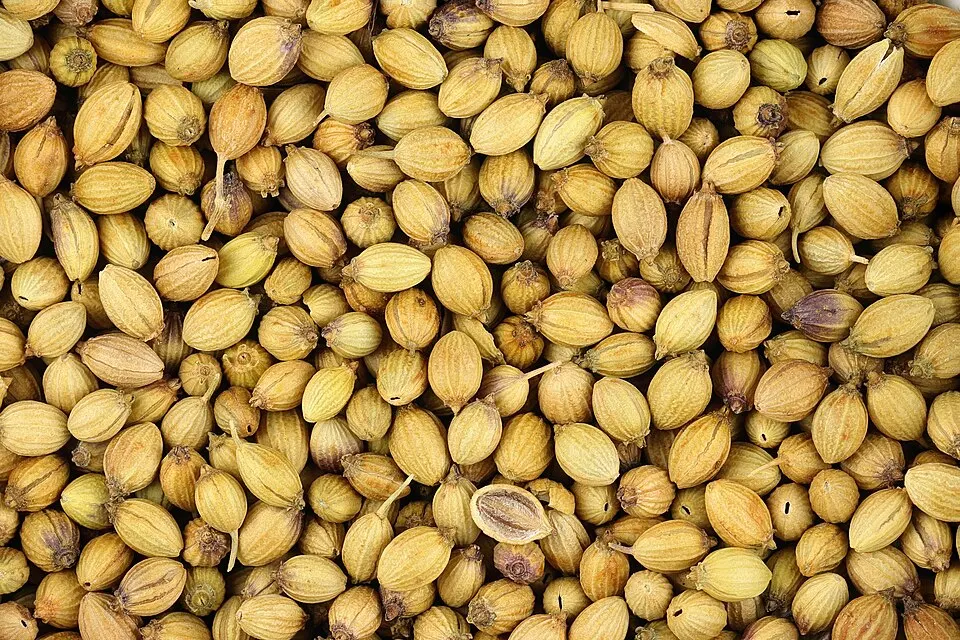
Summer aggravates Pitta (fire). Ayurvedic summer adjustments: Eat cooling foods — coconut water, cucumber, watermelon, coriander, mint, and sweet, bitter, and astringent tastes. Avoid spicy, sour, and salty foods. Drink room temperature or cool (not iced) water throughout the day. Sleep during afternoon (brief nap acceptable). Reduce vigorous exercise — practice gentle yoga or swimming. Sheetali pranayama (breathing through curled tongue) cools body temperature. Rose water applied to face and eyes reduces Pitta heat. Wear light, cotton, white or light-coloured clothing.
Monsoon (Varsha) — Vata-Pitta Season
Monsoon brings weakened digestion (Agni is low) combined with accumulation of Pitta from summer. Eat lightly and regularly — avoid heavy, raw, and cold foods. Favour cooked, warm, easily digestible foods: soups, khichari (rice-lentil), root vegetables. This is the traditional time for Panchakarma detoxification — the body is naturally in a receptive state for cleansing. Avoid monsoon greens (spinach, fenugreek leaves) which are prone to contamination and hard to digest in this season. Take a daily dose of ginger and lemon in warm water before meals to support the weakened digestive fire.
Winter (Hemanta/Shishira) — Kapha Season
Winter brings strong digestive fire (Agni) — the body naturally craves more food, heavier nourishment, and warmth. Eat heartier, warmer, and oilier foods — sesame, ghee, urad dal, root vegetables, nuts, and dairy. Consume warming spices: ginger, cinnamon, cloves, fenugreek. Exercise more vigorously than in summer — the strong digestive fire and cold weather support intense physical practice. Abhyanga (sesame oil massage) daily prevents Vata dryness. Consume Chyawanprash — the classical Ayurvedic winter rasayana — 1-2 tsp daily in warm milk to build immunity and strength.
Spring (Vasanta) — Kapha Release
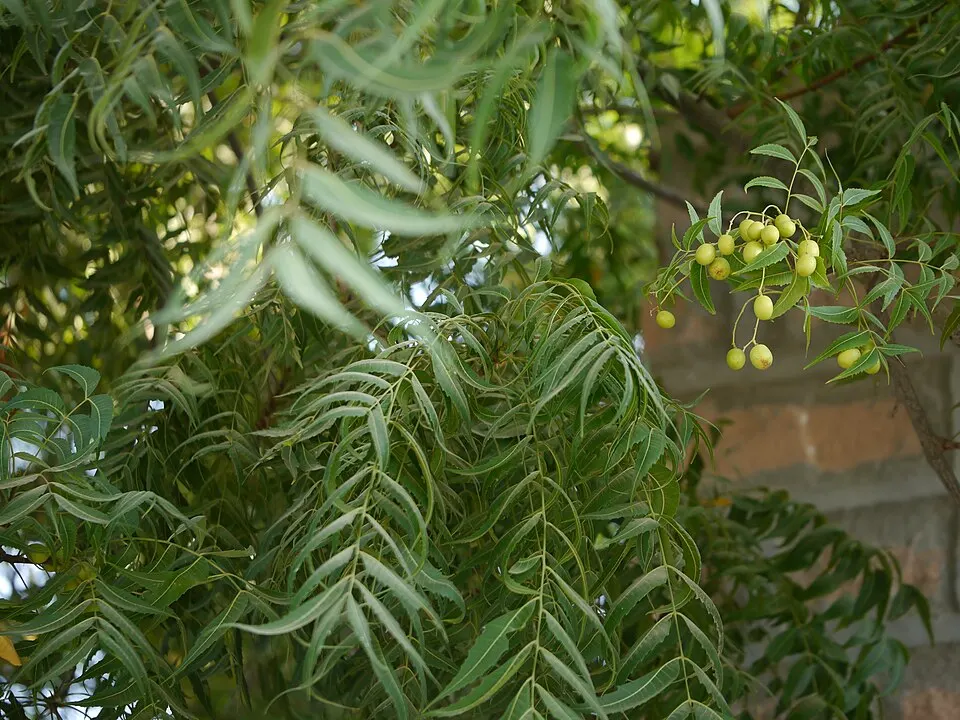
Spring triggers the melting of accumulated Kapha — increased mucus, congestion, lethargy, and seasonal allergies. This is a natural purification season. Reduce heavy, sweet, and oily foods. Emphasise light, bitter, and pungent tastes: neem, turmeric, ginger, green leafy vegetables, honey. Perform nasya (nasal oil therapy) daily. Increase physical activity. Traditional spring cleanse: a neem leaf and honey preparation in the morning. Triphala at night. This mirrors the body's natural spring detoxification drive.
Conclusion
Ritucharya asks us to pay attention to the season we are actually in and adjust accordingly — rather than eating the same foods, exercising the same way, and sleeping the same hours year-round. Even small seasonal adjustments in diet and daily routine significantly improve immunity, digestion, and energy throughout the year.