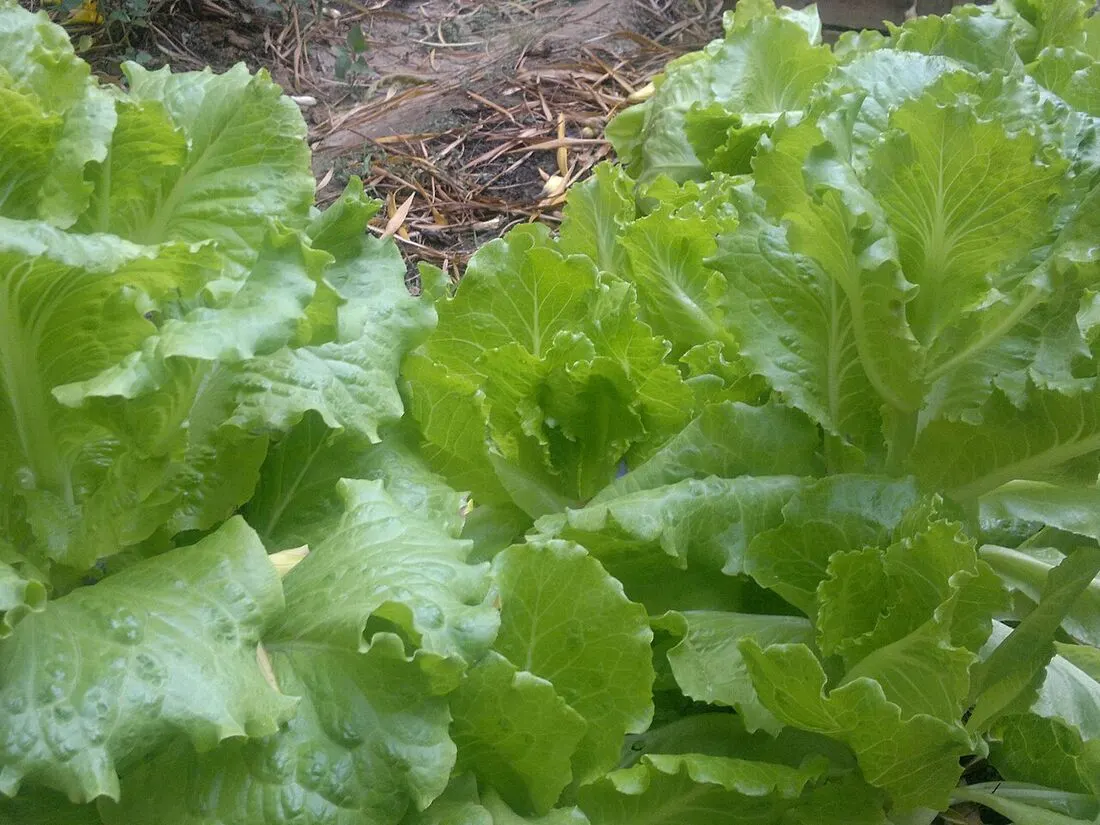
Photo: Tarunpant / Wikimedia Commons (CC BY-SA 3.0)
📋 In This Article
India receives 600–4,000mm of rainfall annually — much of it running off rooftops and roads into drains. Capturing even a fraction of this free, chemical-free water can supply a garden's entire annual irrigation needs.
Basic Rooftop Rainwater Collection
The simplest system: clean roof gutters lead to a downpipe that feeds into a storage tank or barrel. A 100 sqm roof collects approximately 80,000 litres per year in a region receiving 800mm annual rainfall. This is more than enough for a substantial garden.
Storage Options
Small-scale: repurposed food-grade plastic drums (200L) or commercially available rain barrels. Medium-scale: plastic tanks (1,000–5,000L) partially buried or placed on an elevated platform for gravity-fed distribution. Large-scale: underground ferro-cement tanks that stay cool and prevent algal growth.
Benefits for Plants
Rainwater is naturally soft (low mineral content), slightly acidic (pH 5.6–6.2), and free of chlorine — all ideal for most plants. Chlorine in municipal water can inhibit soil bacteria and stress plants over time. Plants watered with rainwater consistently show healthier roots and more vigorous growth.
Combining with a Kitchen Garden
A 500L rain barrel in the garden is sufficient to water a 20-pot balcony garden for 2–3 months after monsoon. Connect a gravity drip line to automate distribution. Use captured water as a first priority and switch to municipal supply only when the barrel runs dry.
Conclusion
Rainwater harvesting is one of the highest-impact sustainability actions a homeowner can take. Even a single 200L barrel dramatically reduces water bills while giving your plants the best possible irrigation.