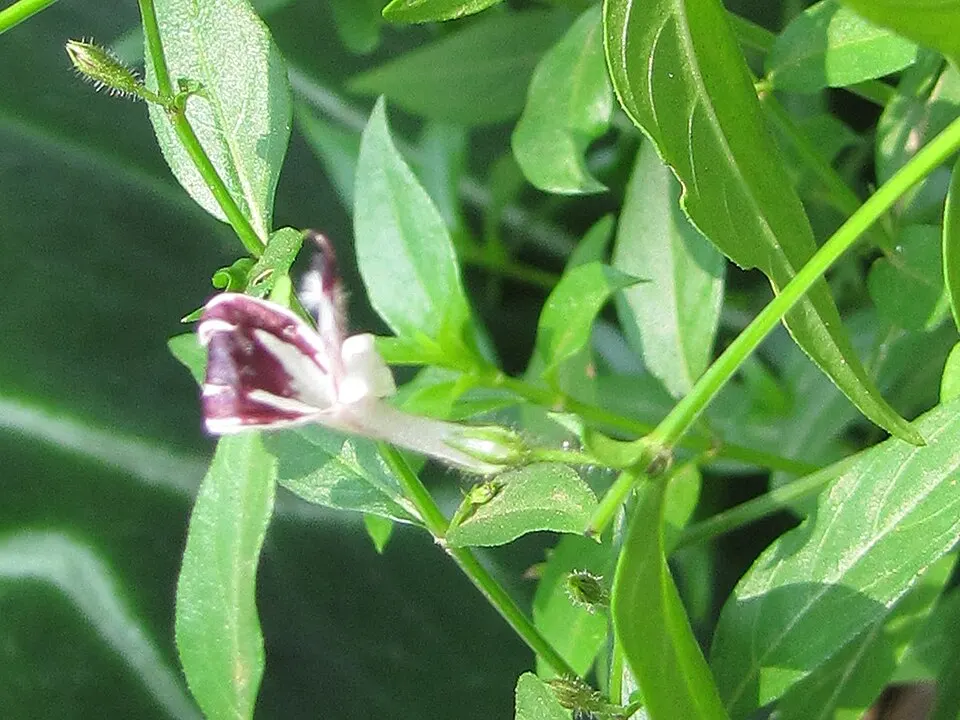
Photo: V C Balakrishnan / Wikimedia Commons (CC BY-SA 4.0)
Kalmegh (Andrographis paniculata): The "King of Bitters" — a potent Ayurvedic herb for liver health and immunity.
🔍 Quick Facts
| Common name | Kalmegh |
| Other names | Kalmegh, Bhui neem (Hindi); Nilavembu (Tamil); King of Bitters |
| Scientific name | Andrographis paniculata |
| Plant family | Acanthaceae |
| Size | 30–90 cm annual herb |
| Native region | India, Sri Lanka |
| Climate | Tropical |
| Ease of growing | Easy |
| Parts used | Leaves, Stems, Roots |
About Kalmegh
Kalmegh is one of the most bitter plants used in Indian medicine — hence its English name, "King of Bitters". Its main active compound, andrographolide, has been studied for fever, colds and liver protection. In Tamil Nadu, Nilavembu kudineer — a decoction of kalmegh and other herbs — was widely distributed by the state government during dengue and chikungunya outbreaks.
Botanically known as Andrographis paniculata, it belongs to the Acanthaceae family. It is native to India, Sri Lanka and grows best in a tropical climate. The parts most often used are the leaves, stems and roots.
Traditional & Ayurvedic Uses
Kalmegh is best known for:
- Liver protection
- Immunity
- Fever
- Digestive health
- Anti-viral
Most of these uses come from Ayurveda and folk medicine. Where we know of good clinical evidence, or of a specific safety concern, we say so in the overview, precautions and FAQs on this page.
How Kalmegh Is Used
- Dried leaves and stems are boiled into a bitter decoction (kashayam) for fever.
- It is a key ingredient of Nilavembu kudineer and many liver tonics.
- Commercial standardised extracts are sold as capsules for colds.
How to Grow Kalmegh
| ☀️ Sunlight | Full sun to partial shade. |
| 💧 Watering | Moderate; keep soil moist during the monsoon growing season. |
| 🪴 Soil | Grows in most soils, including poor and sandy ones; good drainage matters most. |
| 🌱 Propagation | Seeds sown in nursery beds in May–June, transplanted at 4–6 leaves. |
| 📅 When to plant (India) | A monsoon (kharif) crop — sow before the rains, harvest at flowering in September–October. |
| 🏡 In pots / at home | Easy in a 10-inch pot; it grows quickly and often self-seeds. |
Precautions & Safety
- Avoid in pregnancy — traditionally considered unsafe and possibly abortifacient.
- May lower blood pressure and blood sugar, and can interact with anticoagulants.
- Can cause nausea, loss of appetite and, rarely, allergic reactions.
Frequently Asked Questions
Written by the WhyOnPlanet editorial team · Last updated October 2026