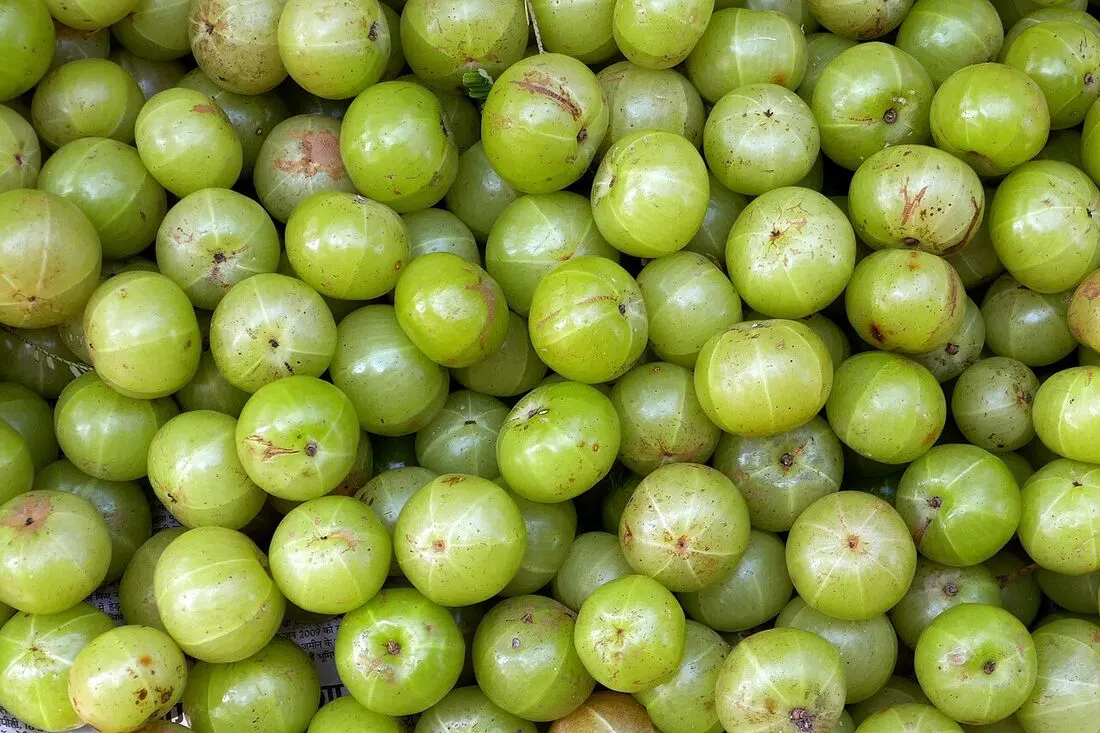
Photo: Ji-Elle / Wikimedia Commons (CC BY-SA 4.0)
Triphala (formula) (Terminalia chebula + T. bellerica + Phyllanthus emblica): Ayurveda's most celebrated compound formula — three fruits that cleanse, nourish, and rejuvenate.
🔍 Quick Facts
| Common name | Triphala (formula) |
| Other names | Triphala (Hindi, Sanskrit — "three fruits"); Thiripala (Tamil) |
| Scientific name | Terminalia chebula + T. bellerica + Phyllanthus emblica |
| Plant family | A formula: Combretaceae (haritaki, bibhitaki) and Phyllanthaceae (amla) |
| Size | Made from three trees, each 10–25 m tall |
| Native region | India |
| Climate | Tropical |
| Ease of growing | Moderate |
| Parts used | Dried fruits (all three) |
About Triphala
Triphala is not a single plant but Ayurveda's most famous formula — equal parts of three dried fruits: amla (Phyllanthus emblica), haritaki (Terminalia chebula) and bibhitaki (Terminalia bellerica). It is taken mainly as a gentle bowel regulator and for eye and oral health. Each fruit is traditionally said to balance one of the three doshas. All three trees grow wild across India's deciduous forests.
Botanically known as Terminalia chebula + T. bellerica + Phyllanthus emblica, it is native to India and grows best in a tropical climate. The parts most often used are the dried fruits (all three).
Traditional & Ayurvedic Uses
Triphala is best known for:
- Digestive cleanse
- Constipation
- Eye health
- Antioxidant
- Immunity
Most of these uses come from Ayurveda and folk medicine. Where we know of good clinical evidence, or of a specific safety concern, we say so in the overview, precautions and FAQs on this page.
How Triphala Is Used
- Half to one teaspoon of powder is taken in warm water at bedtime.
- Cooled triphala water is used as an eye wash in traditional practice (only when properly filtered).
- Triphala decoction is used as a mouth rinse for gum health.
How to Grow Triphala
| ☀️ Sunlight | All three source trees need full sun. |
| 💧 Watering | Hardy once established; amla is especially drought tolerant. |
| 🪴 Soil | Adapt to most soils, including dry forest soils. |
| 🌱 Propagation | Each tree is grown from seed or grafts — see our Amla profile for growing details. |
| 📅 When to plant (India) | Fruits are collected from November to February. |
| 🏡 In pots / at home | You can grow amla in a large pot; haritaki and bibhitaki are large forest trees. |
Precautions & Safety
- Can cause loose stools and cramps — start with a small dose.
- Avoid in pregnancy and with diarrhoea.
- Do not use for eye washing without proper preparation — risk of infection.
Frequently Asked Questions
Further Reading on Triphala
Written by the WhyOnPlanet editorial team · Last updated October 2026